Charting Interconnections Among Payment Gateway Efficiencies and Transaction Success Rates in Remote Wagering Applications
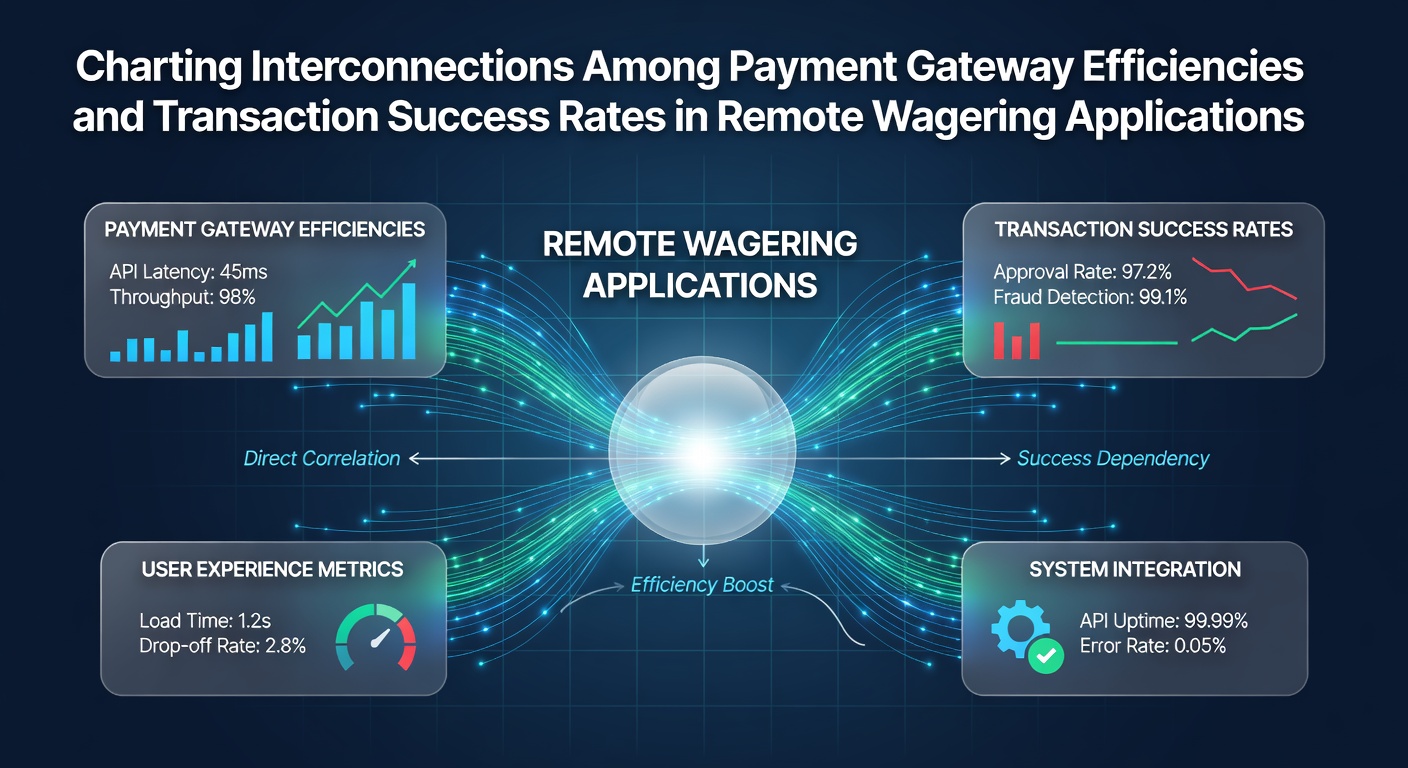
Payment gateways form the backbone of remote wagering applications where transaction processing speeds and approval rates directly shape user retention and platform reliability, and observers note that these systems handle everything from deposits to withdrawals across multiple jurisdictions. Researchers have tracked how gateway performance metrics influence overall operational outcomes since the expansion of mobile betting platforms in the early 2020s, while data from industry audits reveal consistent patterns linking processing efficiency to completion percentages.
Core Components of Payment Gateway Operations in Wagering Environments
Remote wagering platforms rely on gateways that authenticate users, encrypt data streams, and route funds through banking networks or digital wallets, and these processes incorporate real-time fraud detection alongside currency conversion tools. Studies indicate that gateways optimized for high-volume environments process requests in under three seconds on average during peak hours, whereas less efficient setups encounter delays that exceed five seconds in comparable conditions. According to reports compiled by the European Gaming and Betting Association, integration quality with local financial rails affects both latency and error handling across European markets.
Security protocols such as tokenization and multi-factor verification add layers that either streamline or complicate flows depending on implementation quality, and analysts point out that streamlined gateways maintain success rates above 97 percent for approved transactions. Transaction success rates measure the proportion of initiated payments that reach completion without rejection or timeout, while factors like network congestion, card issuer policies, and regional compliance rules introduce variability. Data collected through 2025 shows that platforms using adaptive routing across multiple gateways achieve higher consistency compared to single-provider configurations.
Measuring Efficiencies and Their Direct Links to Success Metrics
Efficiency encompasses processing speed, cost per transaction, and scalability under load, and these elements interconnect with success rates through shared dependencies on backend infrastructure. Research from academic institutions examining digital finance in gambling contexts demonstrates that each additional second of processing time correlates with a measurable drop in completion rates, particularly during live event betting windows. Observers have documented cases where platforms upgraded their gateway architectures and recorded success rate improvements ranging from 2 to 4 percentage points within the first quarter post-implementation.
Regional regulatory frameworks shape these dynamics as well, with bodies such as the Alcohol and Gaming Commission of Ontario requiring specific reporting on transaction integrity, and similar oversight in Australia through the Australian Communications and Media Authority highlights comparable standards. Platforms operating across borders must navigate differing authentication mandates that either enhance or hinder gateway performance, yet integrated solutions often mitigate these frictions by employing geo-specific optimization layers.
Patterns Observed in Recent Platform Data Through May 2026
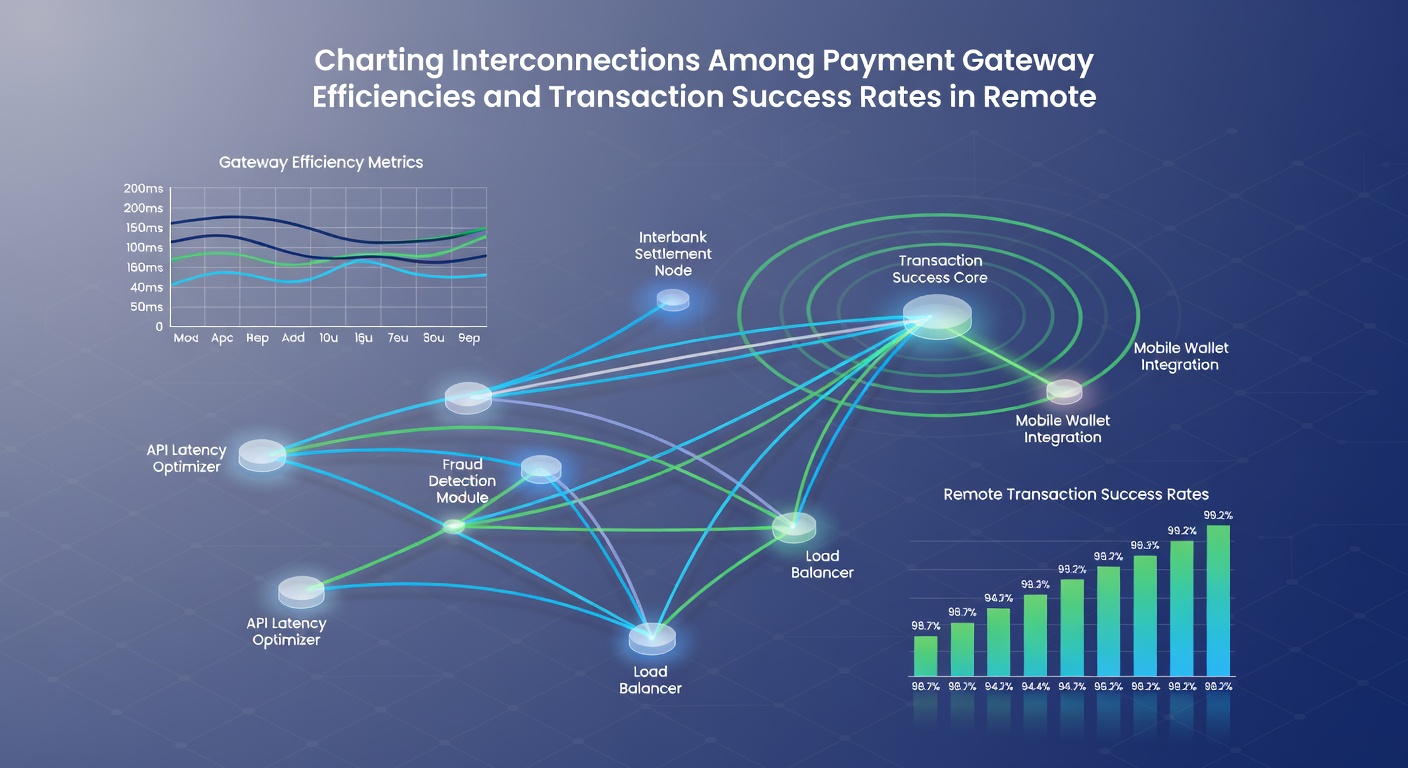
Analyses covering the period leading into May 2026 indicate that gateways supporting instant payout features maintain elevated success rates during high-traffic periods such as major sporting events, and this pattern holds across both desktop and mobile interfaces. Operators that monitor gateway health through automated dashboards detect early signs of degradation before they impact user-facing metrics, while those without such systems experience more frequent interruptions. Evidence gathered from platform audits suggests that diversified payment provider partnerships reduce single-point vulnerabilities that otherwise lower overall transaction reliability.
Case examples include operators who switched to gateways with enhanced API connectivity and subsequently observed fewer declined transactions tied to network timeouts, and similar transitions appear in markets where digital wallet adoption has accelerated. The ball remains in the court of platform developers to align gateway selections with user demographics, since payment preferences vary significantly by region and device type.
Future Trajectories for Interconnected Systems
Emerging technologies including blockchain-based settlement layers and AI-driven routing algorithms continue to influence both efficiency and success metrics, and preliminary deployments show promise in reducing latency while preserving compliance standards. Industry reports project that by late 2026 more platforms will adopt these tools as standard practice, building on foundations established in earlier testing phases. Those who have studied transaction flows across extended periods recognize that sustained improvements require ongoing calibration rather than one-time upgrades.
Conclusion
Interconnections between payment gateway efficiencies and transaction success rates in remote wagering applications rest on measurable technical and regulatory factors that platforms address through targeted infrastructure choices. Data accumulated through 2026 continues to map these relationships across diverse markets, providing operators with clearer benchmarks for system enhancements. Continued monitoring and adaptation remain central to maintaining reliable performance in this evolving sector.