Deciphering Payout Frequency Distributions Among Top-Tier Virtual Slot Providers Based on Independent Audits
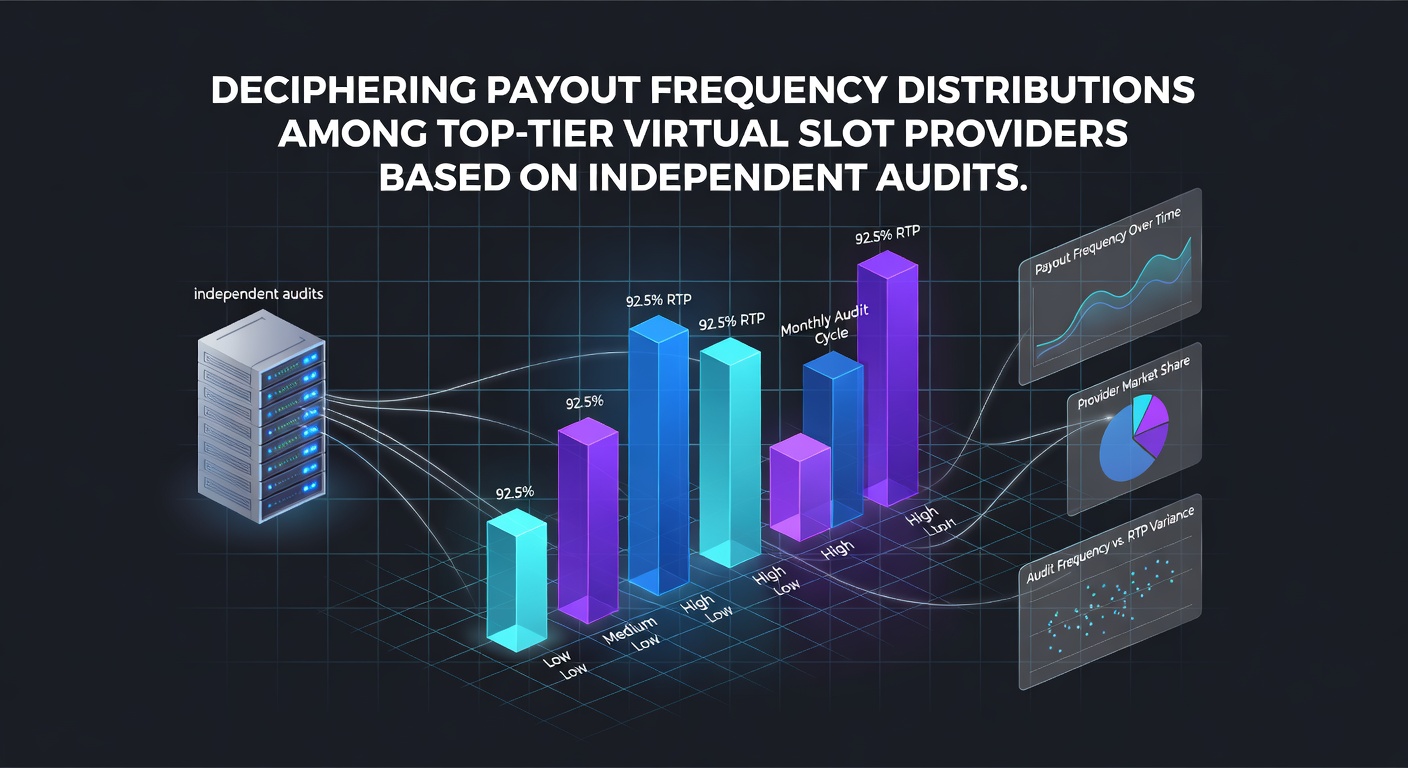
Independent audits form the backbone of transparency in virtual slot operations and they reveal consistent patterns in how often wins occur across different providers. These audits measure payout frequency which refers to the rate at which winning combinations appear during play rather than the overall percentage returned to players over time. Data compiled from testing laboratories shows that top-tier providers maintain hit rates typically ranging between 25 and 40 percent depending on the game mechanics they employ.
Core Metrics Examined in Audits
Auditors evaluate thousands of simulated spins to map the distribution of payouts and they break results into categories such as small frequent wins, medium returns, and occasional larger payouts. Researchers at organizations like iTech Labs and eCOGRA document these figures in reports that operators must publish for regulatory compliance. The process isolates variables including reel configurations, symbol weighting, and bonus trigger rates which all influence how often credits appear on the screen.
Studies from European testing bodies indicate that providers optimize these frequencies to balance player engagement with mathematical house edges. One analysis covering games released between 2024 and 2025 found that titles featuring cascading reels often display higher hit rates early in sessions while traditional three-reel formats cluster wins more sporadically. Such distinctions emerge clearly when auditors compare raw data sets across multiple studios.
Provider-Specific Patterns
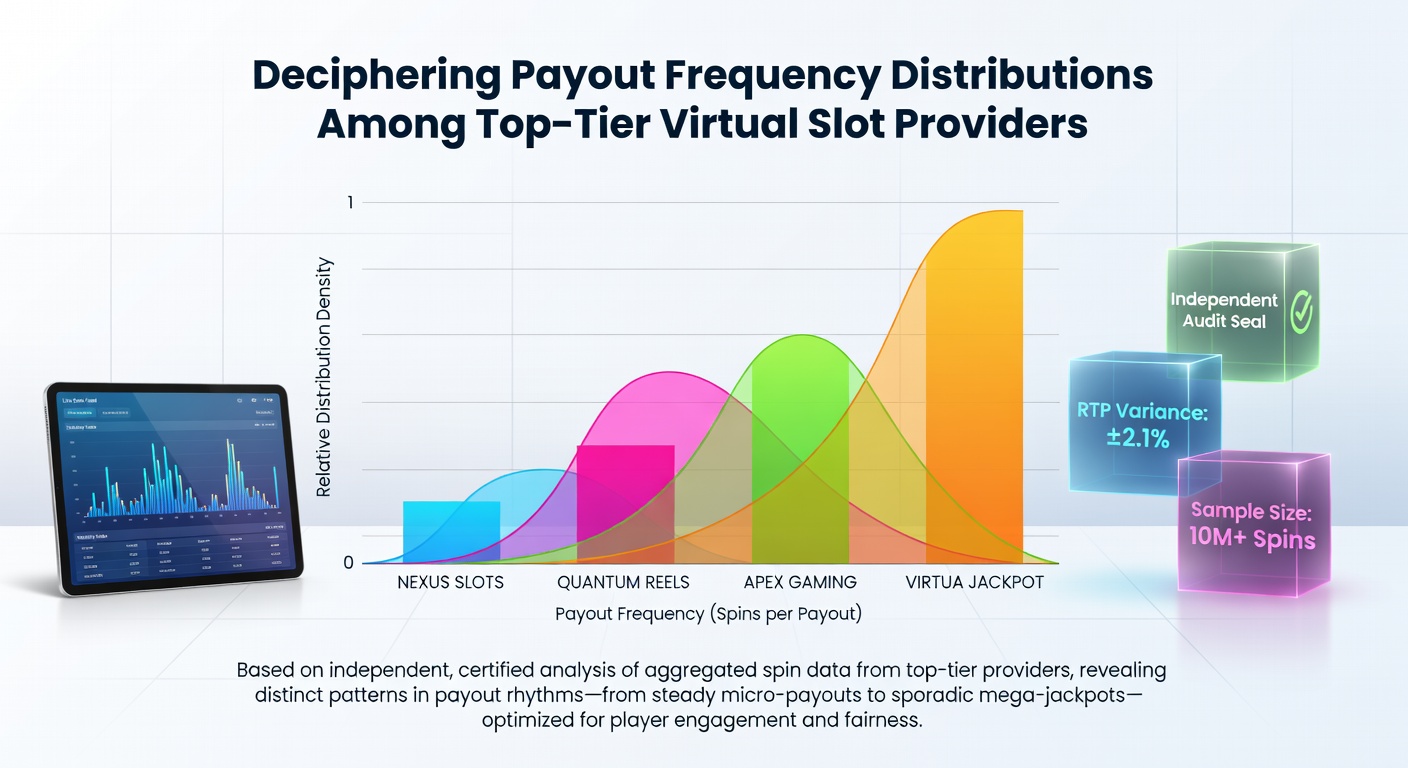
Leading virtual slot developers demonstrate measurable differences in their payout distributions according to aggregated audit summaries. Providers specializing in high-volatility titles tend toward lower overall frequencies with wins concentrated in bonus rounds whereas those focused on medium-volatility games spread smaller payouts more evenly across base play. Figures released through certification processes highlight that certain studios achieve average hit rates near 32 percent while others stabilize around 28 percent across their portfolios.
These variations stem from deliberate design choices in random number generator algorithms and paytable structures. Observers reviewing data from multiple jurisdictions note that studios updating their libraries in early 2026 continued to refine these parameters to meet evolving compliance standards in regions outside the United Kingdom. Cross-referencing audit trails allows operators to verify that claimed frequencies align with actual performance under controlled testing conditions.
Impact of Game Features on Frequency
Bonus mechanics exert strong influence over payout timing and independent reviews quantify this effect through detailed spin logs. Features such as expanding wilds or multiplier trails can elevate short-term hit rates by creating additional winning combinations within single spins. Data collected during 2025 certification cycles shows that games incorporating progressive elements often record clustered payouts during feature activation phases while base game frequencies remain steady but lower.
Analyses conducted by laboratories serving North American and Asian markets reveal that mobile-optimized versions maintain identical mathematical models to desktop releases yet sometimes exhibit slight presentation differences due to interface scaling. The underlying distribution of wins stays consistent because the random number generator operates independently of display format. Auditors confirm this parity through parallel testing runs that compare thousands of outcomes side by side.
Regulatory Context and Reporting Standards
Certification requirements vary by jurisdiction yet most demand public disclosure of key performance indicators including payout frequency ranges. Agencies such as the Malta Gaming Authority and the Alcohol and Gaming Commission of Ontario require operators to reference recent audit results when listing games. Reports generated in 2026 continue to emphasize standardized testing protocols that account for both short-session variance and long-term distribution stability.
Industry associations compile anonymized datasets from multiple providers to identify broader trends without revealing proprietary algorithms. These summaries help regulators assess whether advertised frequencies match verified outcomes across diverse player volumes. External verification through academic partnerships further strengthens the reliability of the figures by applying statistical models to raw audit data.
Conclusion
Independent audits supply the verifiable foundation for understanding payout frequency distributions among virtual slot providers and they enable consistent comparison across different game portfolios. The documented patterns show clear differentiation based on volatility levels, feature sets, and studio design philosophies. Ongoing certification work through 2026 maintains these standards while expanding coverage to new titles and emerging markets. Access to such data supports informed evaluation of how providers structure their offerings within regulated environments.