Exploring Niche Variations in Live Dealer Interaction Protocols Across Different Jurisdictions
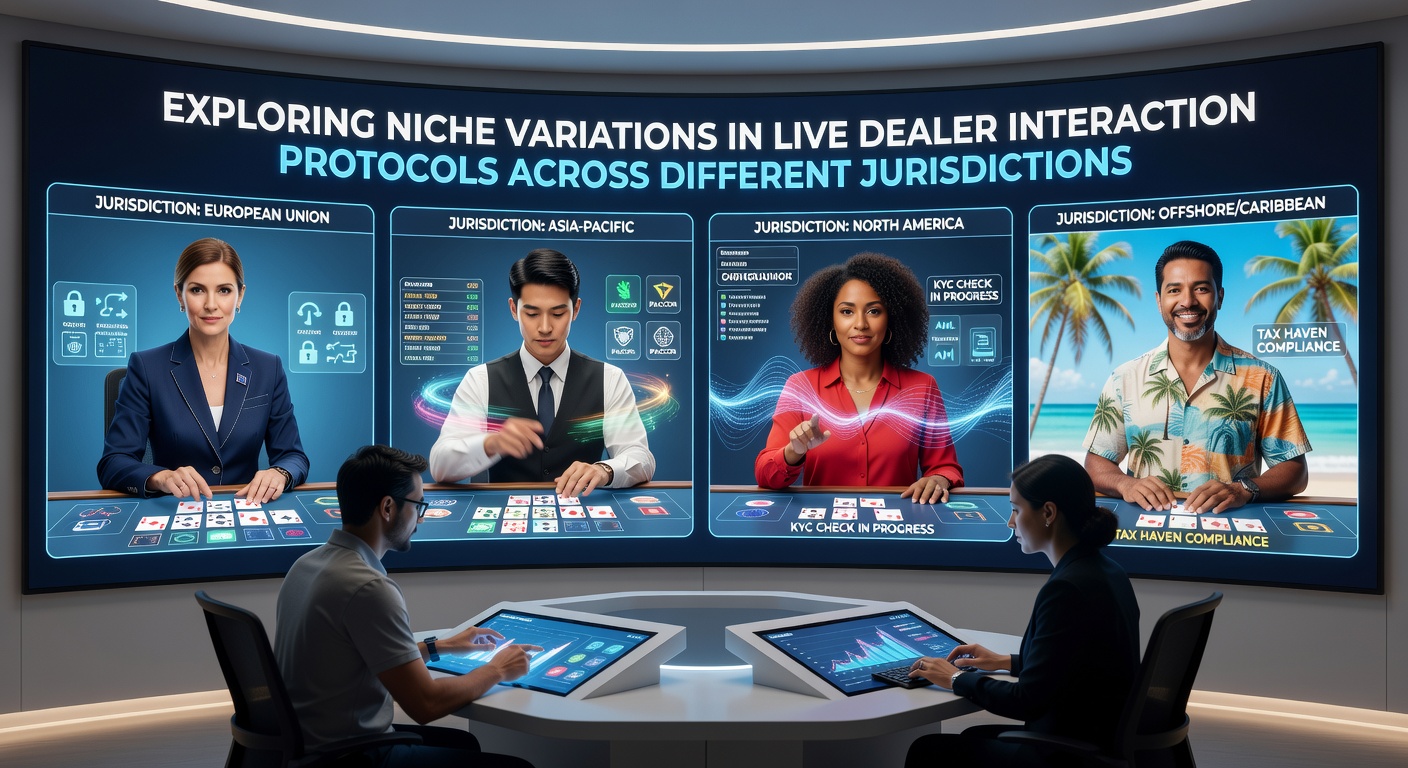
Live dealer platforms operate under strict interaction protocols that shift noticeably from one jurisdiction to another, creating distinct operational environments for both dealers and players. These protocols cover everything from verbal scripts and gesture standards to response timing and cultural accommodations, and regulators enforce them through detailed licensing conditions that operators must follow to maintain compliance. Data from industry reports shows that such variations often stem from local consumer protection priorities, language mandates, and historical gaming traditions that predate online platforms.
European Approaches to Dealer Communication Standards
Operators in continental Europe face layered requirements that blend EU-wide data handling rules with country-specific guidelines on real-time interaction. In jurisdictions like Malta and the Netherlands, dealers must use neutral, scripted phrases in multiple languages while avoiding any encouragement of continued play during sessions. Regulators require documented training records that demonstrate dealer adherence to these scripts, and audits occur at regular intervals to verify compliance. Those who have examined compliance filings note that session logs must capture every verbal exchange, allowing authorities to trace potential issues back to specific moments in a game. What's interesting is how these rules extend to non-verbal cues, where hand movements and eye contact receive equal scrutiny to prevent any perception of bias toward particular players.
North American State-Level Protocols and Timing Rules
Across North American markets, state gaming commissions establish precise timing windows for dealer responses and player decisions that differ from one regulatory zone to the next. In states with mature online frameworks, such as New Jersey and Pennsylvania, protocols mandate minimum intervals between card reveals and betting prompts, while also requiring dealers to announce game states in English only. Figures from regulatory submissions reveal that these timing standards aim to reduce disputes and maintain consistent pacing across thousands of simultaneous streams. Observers note that training programs in these regions emphasize clear enunciation and standardized terminology, with periodic testing to ensure dealers maintain the required cadence even during high-volume periods. And in some cases, additional rules govern how dealers handle technical interruptions, requiring immediate verbal notifications followed by documented recovery steps before resuming play.
Asian Market Adaptations for Cultural Context
Live dealer operations serving Asian jurisdictions incorporate cultural elements into interaction protocols that go beyond basic language translation. Facilities licensed in places like the Philippines and Macau adapt greeting sequences, betting announcements, and resolution phrasing to align with local customs, while still meeting international technical standards for fairness and transparency. Research from regional gaming associations indicates that these adaptations include specific honorifics and pacing adjustments that reflect traditional table etiquette, and operators must submit detailed protocol manuals for approval before launch. Those who've reviewed operational data find that such modifications help sustain player engagement without crossing into promotional territory that local rules prohibit. But here's the thing: these adaptations also require dealers to switch between multiple linguistic registers within a single shift, which creates additional training demands that European or North American sites rarely encounter.
Technology Integration and Cross-Border Compliance Challenges
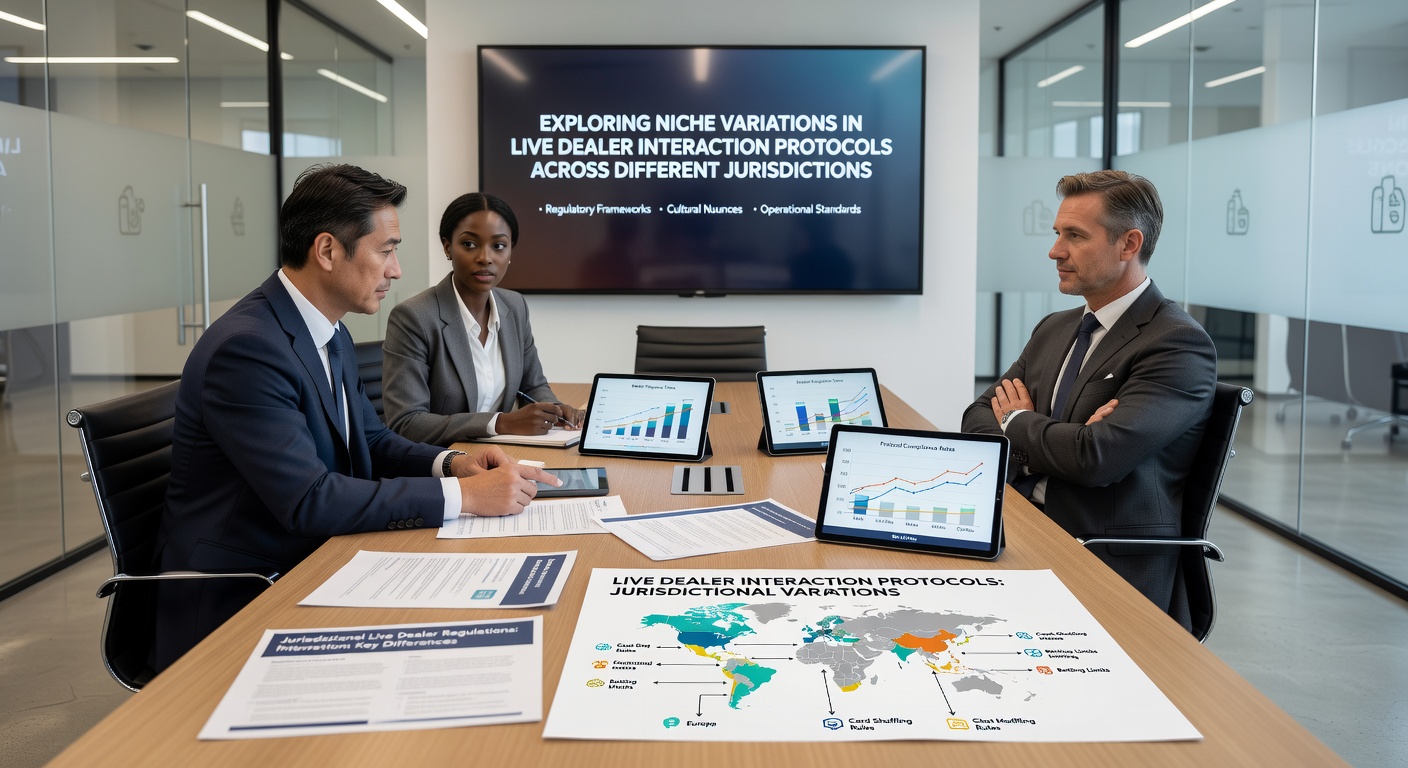
Streaming infrastructure itself becomes subject to protocol variations when signals cross jurisdictional boundaries. Operators must configure latency buffers and camera angles to satisfy the strictest applicable rules in each target market, and this often means maintaining parallel technical setups for different regions. According to reports from the Alcohol and Gaming Commission of Ontario, verification systems track both video quality and dealer positioning in real time, flagging deviations that could affect perceived fairness. Similar requirements appear in Australian state regulations, where oversight bodies demand proof that interaction protocols remain consistent regardless of player location. Experts have observed that these technical constraints sometimes force studios to limit certain camera transitions or verbal flourishes that work fine in one market but violate rules elsewhere.
Training and Audit Mechanisms Across Regions
Dealer certification processes reflect the same jurisdictional diversity. European regulators typically require documented role-play assessments covering conflict de-escalation and neutral language use, whereas North American programs place heavier emphasis on timing drills and terminology quizzes. In Asia, certification often includes cultural sensitivity modules alongside technical proficiency checks. Data shared by the Australian National Framework for Responsible Gambling shows that ongoing audits sample live sessions at random intervals, with non-compliance triggering mandatory retraining or temporary suspension of dealer privileges. Those who've studied audit outcomes across multiple jurisdictions report that common issues include minor timing lapses rather than intentional protocol breaches, suggesting that most operators invest substantially in preparation to avoid penalties.
Emerging Developments Expected by May 2026
Regulatory updates scheduled for implementation around May 2026 in several jurisdictions will introduce new requirements for real-time interaction logging and cross-platform consistency checks. These changes aim to standardize how dealers acknowledge technical glitches and how platforms handle simultaneous multi-jurisdiction streams. Observers tracking draft guidelines note that the revisions focus on verifiable record-keeping rather than altering core communication styles, though operators will need updated software to meet the enhanced reporting thresholds. Research indicates that such adjustments often follow periods of rapid platform growth, when existing rules prove insufficient for newer streaming formats and player volumes.
Conclusion
The landscape of live dealer interaction protocols continues to evolve as regulators refine rules to match technological capabilities and player demographics in each market. Operators that maintain separate protocol libraries for different jurisdictions demonstrate how these variations shape daily operations from training through ongoing supervision. Data collected across regions shows that successful compliance depends on detailed documentation, regular audits, and adaptive training programs that account for local expectations without compromising core fairness standards. As new requirements take effect in 2026, the differences between jurisdictions are likely to remain a defining feature of how live dealer experiences are delivered worldwide.