How Geolocation Compliance Tools Reshape User Acquisition Funnels Across Borderless Slot Networks
Morgan Schmidt · Jul 28, 2026
How Geolocation Compliance Tools Reshape User Acquisition Funnels Across Borderless Slot Networks
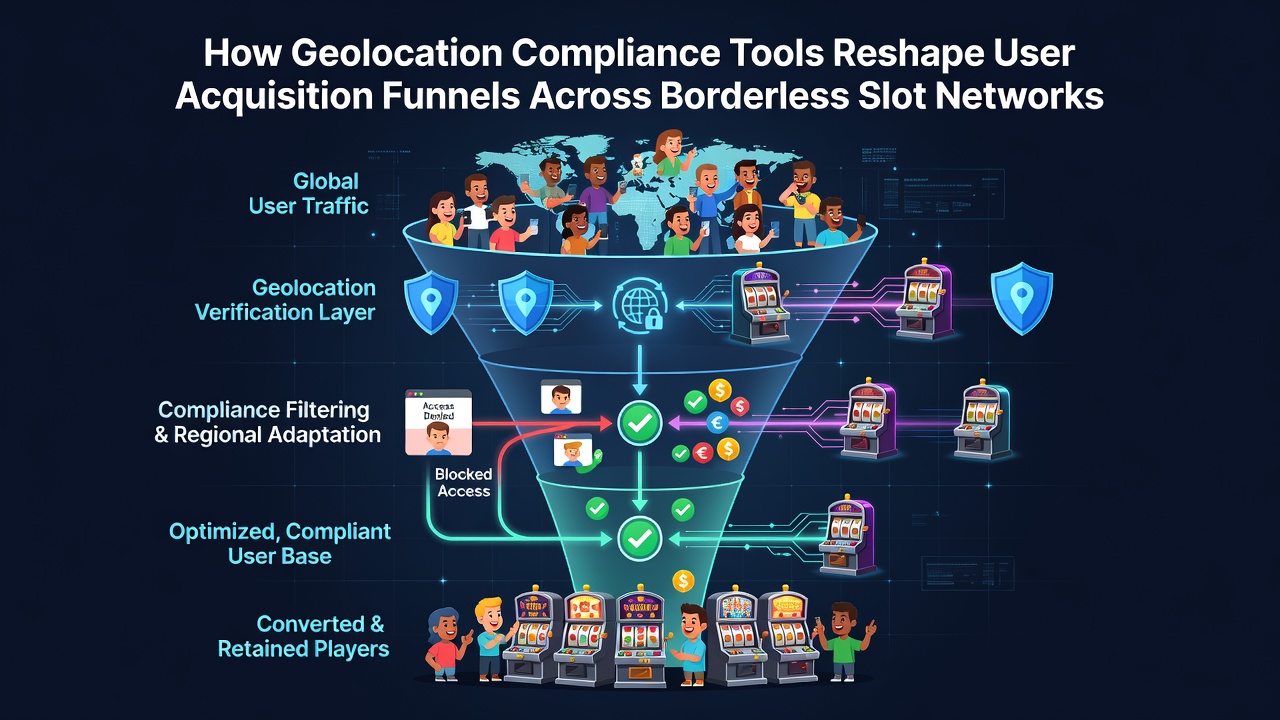
Geolocation compliance tools have become central to how operators manage user acquisition in slot networks that operate across multiple jurisdictions without physical borders, and these systems verify player locations through a combination of IP address mapping, GPS data from mobile devices, and Wi-Fi triangulation before any registration or deposit can proceed. Data from industry reports indicates that networks using these tools saw acquisition rates shift by region in the first half of 2026, with stricter verification leading to segmented entry points that filter users based on legal eligibility rather than broad marketing campaigns.
Core Mechanics Behind Location Verification
Operators integrate APIs from specialized providers to cross-check user locations against licensed territories in real time, which means a player attempting access from an unlicensed area encounters immediate blocks or redirects while those in approved zones move forward into tailored onboarding sequences. Studies from regulatory bodies show that this process reduces unauthorized entries by up to 40 percent in multi-jurisdictional setups, yet it also creates distinct funnel stages where marketing messages adjust automatically according to detected geography. And in July 2026 figures released by several networks revealed higher conversion among users who passed initial checks because the systems delivered jurisdiction-specific bonus offers right at the start.
Segmentation of Acquisition Pathways
Borderless slot networks rely on these tools to split incoming traffic into compliant and non-compliant streams, which alters everything from ad targeting on social platforms to the sequence of identity verification steps presented to new sign-ups. Researchers at academic institutions tracking digital gambling patterns note that European operators often route users through additional layers of address confirmation when tools flag potential VPN usage, whereas North American platforms focus more on state-level boundaries to comply with varying local rules. This segmentation means acquisition costs rise in high-regulation areas but drop where verification passes quickly, and the result shows up in metrics that separate regional performance rather than treating all traffic as uniform.
Effects on Marketing and Onboarding Sequences
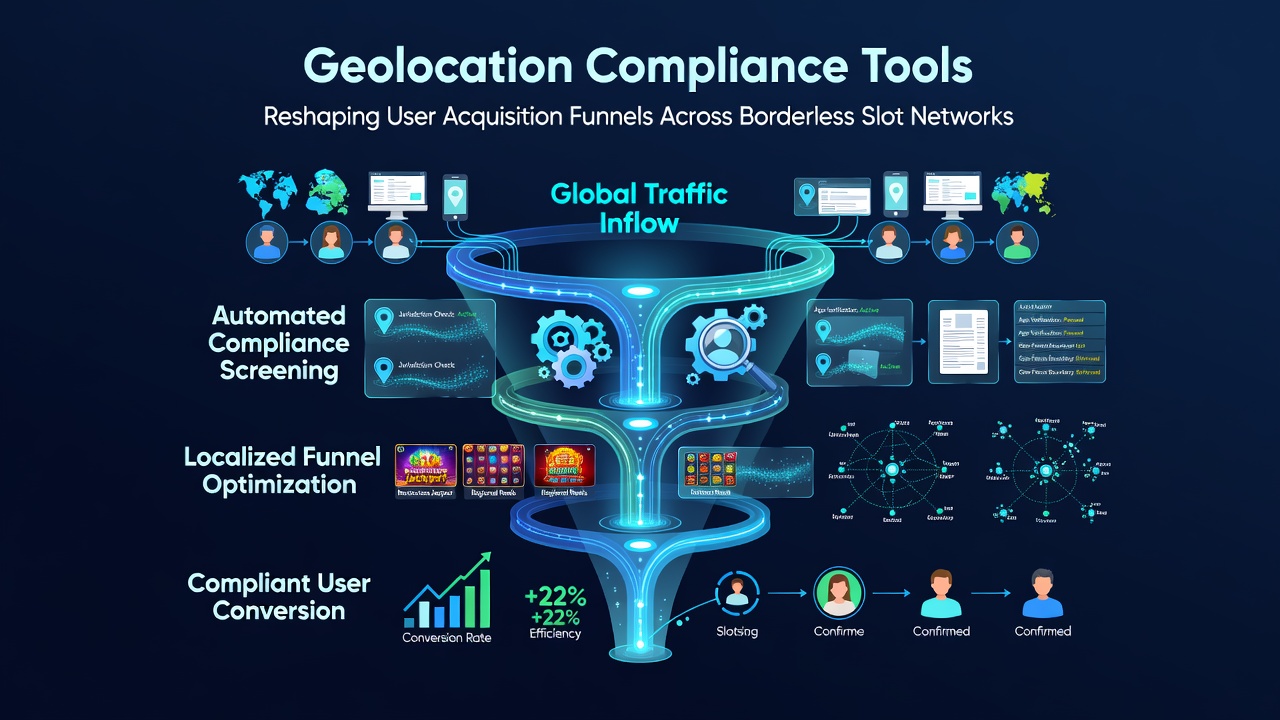
Campaigns that once used generic creatives now incorporate geo-data to display only legal promotions, so a user in one country sees deposit match offers tied to local licenses while another receives prompts for responsible play resources before play begins. Observers tracking platform analytics report that networks adopting these adjustments recorded improved retention after the first deposit because players encountered fewer interruptions later in the process. What's interesting is how the tools feed directly into CRM systems that trigger follow-up emails based on the exact location at signup, turning what used to be a single funnel into multiple parallel paths that respect different legal frameworks.
Technical Integration and Data Flows
Modern compliance platforms connect with game servers to pause or terminate sessions the moment location data changes, and this capability forces acquisition teams to design funnels that account for mobile users who might cross borders mid-process. Reports compiled by the Canadian Gaming Association highlight that operators updated their backend systems in early 2026 to handle real-time location pings every few minutes during onboarding, which cut down on account closures after initial registration. Those who've examined the data flows note that the added checks also surface patterns in user behavior, such as higher drop-off rates at verification stages in regions with frequent travel, prompting operators to introduce temporary session holds rather than outright rejections.
Regional Performance Variations in 2026
Performance data gathered across networks shows that acquisition funnels in Asia-Pacific markets benefited from lighter verification loads compared with stricter European setups, leading to faster progression from click to first spin in places where laws permit broader access. A study linked through the New South Wales Office of Liquor and Gaming found that compliance tools helped maintain consistent user volumes even as regulatory updates took effect mid-year, because the systems adapted offer displays without manual campaign overhauls. Networks operating across multiple time zones use the same location data to schedule promotional pushes during peak local hours, which ties acquisition timing directly to verified player geography.
Conclusion
Geolocation compliance tools continue to redefine how borderless slot networks structure their acquisition funnels by embedding location checks into every stage from initial ad exposure through deposit and play, and the adjustments create more precise regional pathways that align with legal requirements while maintaining operational scale. Data gathered through July 2026 demonstrates measurable shifts in conversion metrics across different territories, driven by automated segmentation rather than uniform approaches. Operators that refine these integrations gain clearer visibility into which markets deliver sustainable users and which require further technical tuning to reduce friction.