How RNG Certification Timelines Shape Bonus Trigger Rates in Integrated Gambling Platforms
Theo Wolf · Aug 13, 2026
How RNG Certification Timelines Shape Bonus Trigger Rates in Integrated Gambling Platforms
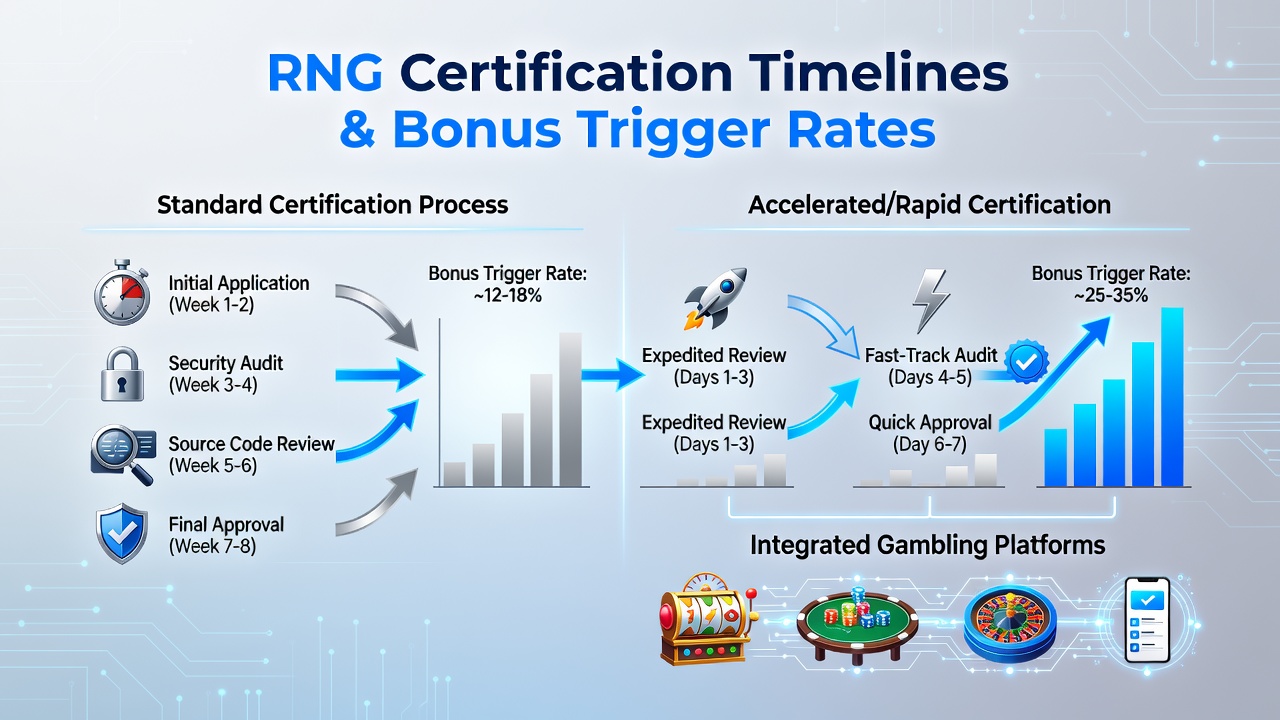
Random number generator certification stands as a core requirement for digital gambling systems, and the time required to complete these reviews directly shapes how quickly operators can adjust bonus features on integrated platforms. Labs conduct sequential tests on algorithm integrity, payout distributions, and trigger mechanisms before granting approval, which creates bottlenecks when platforms attempt to roll out new bonus structures. Data from multiple jurisdictions shows that certification periods range from four weeks for minor updates to six months or longer for complex integrations involving live data feeds and cross-platform synchronization.
Certification Steps and Their Built-in Delays
Each RNG submission moves through initial documentation review, statistical sampling, and live simulation phases, and these stages accumulate time when the underlying code includes custom bonus logic. Regulators in different regions apply varying levels of scrutiny, so a platform operating across North American and European markets must often secure separate approvals rather than rely on a single stamp. Observers note that August 2026 saw several major providers submit updated RNG modules that incorporated dynamic bonus multipliers, yet those submissions encountered extended queues at testing facilities because demand spiked after new game launches earlier in the year.
Integrated platforms combine slot engines, table games, and promotional systems into single back-end environments, and any change to bonus trigger probabilities requires re-certification of the shared RNG seed. This interconnection means a delay in one jurisdiction can hold up feature deployment everywhere, since operators prefer uniform code bases to reduce maintenance overhead. Research indicates that platforms using modular RNG designs complete certification faster than those with tightly coupled bonus and core game files, because labs can isolate and test individual components without re-examining the entire system.
Regional Timeline Differences and Platform Responses
Nevada Gaming Control Board records reveal average approval windows of eight to twelve weeks for RNG updates that affect bonus frequency, while Canadian provincial regulators have reported shorter cycles when submissions include pre-validated statistical models. Platforms respond by staggering releases, certifying core RNG functions first and then layering bonus adjustments in follow-up submissions that move through faster review tracks. Those who've tracked these patterns observe that operators maintaining parallel certification pipelines across multiple labs reduce overall wait times by roughly thirty percent compared with single-lab approaches.
Effects on Bonus Trigger Mechanics
Bonus triggers depend on precise RNG output sequences, and any lag between code finalization and certification approval leaves platforms running older trigger rates that may no longer align with intended player return metrics. Independent audit summaries from 2026 show measurable divergence in hit frequencies during certification gaps, with some titles reporting up to a 2.4 percent shift in bonus activation rates while awaiting final sign-off. Integrated systems amplify this effect because the same RNG instance serves multiple game types, so a delay in one bonus category can influence trigger probabilities across unrelated titles sharing the same backend.
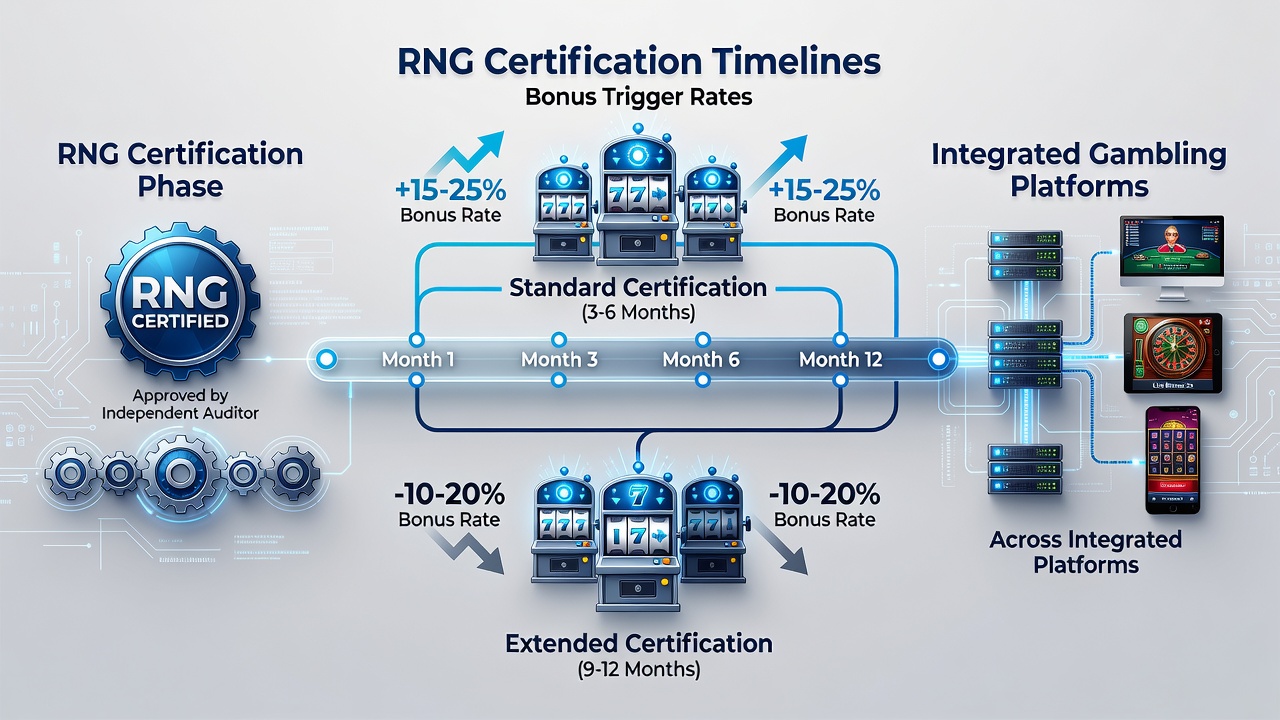
Operators address these shifts through temporary configuration flags that revert bonus parameters to previously certified states, yet such workarounds require additional documentation and can extend the next certification cycle. Data shows platforms that schedule certification submissions during low-volume periods achieve more predictable timelines, whereas simultaneous filings from multiple providers create backlogs that push completion dates outward by several weeks.
Platform Integration Challenges
Modern gambling environments link RNG services to player account systems, marketing engines, and third-party content providers, and each connection point must demonstrate consistent random behavior under certification review. When certification stretches beyond planned windows, teams often freeze bonus campaigns to avoid compliance violations, which in turn alters observed trigger rates across the player base. Figures from industry reports indicate that platforms with automated compliance monitoring detect these freezes earlier and can redirect traffic toward already-certified games, limiting revenue impact while awaiting new approvals.
Academic analyses of gambling software ecosystems highlight that certification timelines correlate with the number of interconnected modules rather than RNG complexity alone, and platforms that consolidate bonus logic into fewer modules experience shorter review periods. Those managing cross-border operations balance this by aligning submission schedules with the most time-sensitive regulatory calendars first, then cascading updates to secondary markets once initial approvals clear.
Conclusion
RNG certification timelines function as gatekeepers that determine when bonus trigger adjustments reach live environments, and the resulting delays create measurable differences in activation frequencies across integrated platforms. Jurisdictional variations in review speed, combined with the technical demands of synchronized systems, produce patterns that operators track closely through internal metrics and external audit data. Continued refinement of modular testing methods and staggered submission strategies offers pathways to shorten these intervals while maintaining the statistical assurances regulators require.