Macau Finance Secretary Tai Kin Ip Resigns for Personal Reasons as Gaming Hub Eyes Leadership Transition
Macau Finance Secretary Tai Kin Ip Resigns for Personal Reasons as Gaming Hub Eyes Leadership Transition

The Sudden Announcement Shakes Up Macau's Economic Leadership
Tai Kin Ip stepped down as Macau's Secretary for Economy and Finance on April 16, 2026, citing personal reasons; his resignation received swift approval from China's State Council following a proposal by Chief Executive Sam Hou Fai. Observers note this move comes at a pivotal moment for Macau, the global epicenter of gambling revenue, where the $30 billion casino sector drives much of the region's prosperity. Ip had held the position since late 2024, navigating the industry's recovery and expansion amid evolving regulations and market dynamics.
News of the resignation broke quickly across international outlets, with Reuters detailing the official channels involved; the State Council's endorsement underscores Beijing's direct oversight of Macau's administrative shifts, a process rooted in the Special Administrative Region's unique governance structure. Sam Hou Fai, stepping in temporarily, now shoulders the responsibilities while authorities prepare nominations for Ip's successor, again subject to central government approval.
Tai Kin Ip's Tenure: Overseeing a Gaming Powerhouse
Since assuming the role in late 2024, Ip directed policies shaping Macau's economy, particularly its dominant casino industry featuring heavyweights like Sands China, Wynn Macau, MGM China, SJM Holdings, Melco Resorts, and Galaxy Entertainment. These operators collectively generate billions in gross gaming revenue, positioning Macau far ahead of Las Vegas as the world's top gambling destination; data from industry trackers shows the sector's scale reached $30 billion under his watch, fueled by high-roller tourism from mainland China and beyond.
Experts tracking the region point out Ip's involvement in key initiatives, such as diversifying beyond pure gaming into entertainment and conventions, although gaming remains the core engine; the Macau Gaming Inspection and Coordination Bureau (DICJ) reports steady concession renewals for these six operators through 2032, a framework Ip helped maintain amid post-pandemic rebounds. What's interesting is how his departure aligns with April 2026's bustling season, when visitor numbers typically surge, testing the leadership vacuum's immediate impact.
And yet, personal reasons remain the sole stated cause, with no further elaboration from official statements; those familiar with Macau's political landscape know such transitions often proceed smoothly under Beijing's guidance, minimizing disruptions to the industry's rhythm.
Macau's Casino Landscape: A $30 Billion Juggernaut Under Scrutiny
The city's economy hinges on its casinos, where opulent resorts blend luxury hotels, theaters, and retail with table games and slots; Sands China, for instance, operates properties like The Venetian, drawing millions annually, while Wynn Macau emphasizes premium experiences for VIPs. MGM China, SJM Holdings—the original pioneer—Melco Resorts with its City of Dreams, and Galaxy Entertainment round out the licensed players, each contributing to a revenue stream that dwarfs competitors worldwide.
Turns out, this concentration amplifies the finance secretary's role; Ip managed fiscal policies, tax collections from gaming taxes—which account for over 80% of government income—and diversification efforts into non-gaming sectors like finance and tech. Researchers at the UNLV International Gaming Institute have documented how Macau's model evolved since liberalization in 2002, expanding from three to six concessionaires, a stability Ip upheld through regulatory compliance and economic stimulus.
But here's the thing: in April 2026, with global tourism rebounding, the timing raises questions about continuity; visitor arrivals hit record highs in early 2026, per official tallies, boosting operator stocks and revenue projections. Galaxy Entertainment, for one, reported strong quarterly figures, signaling resilience even as leadership changes loom. 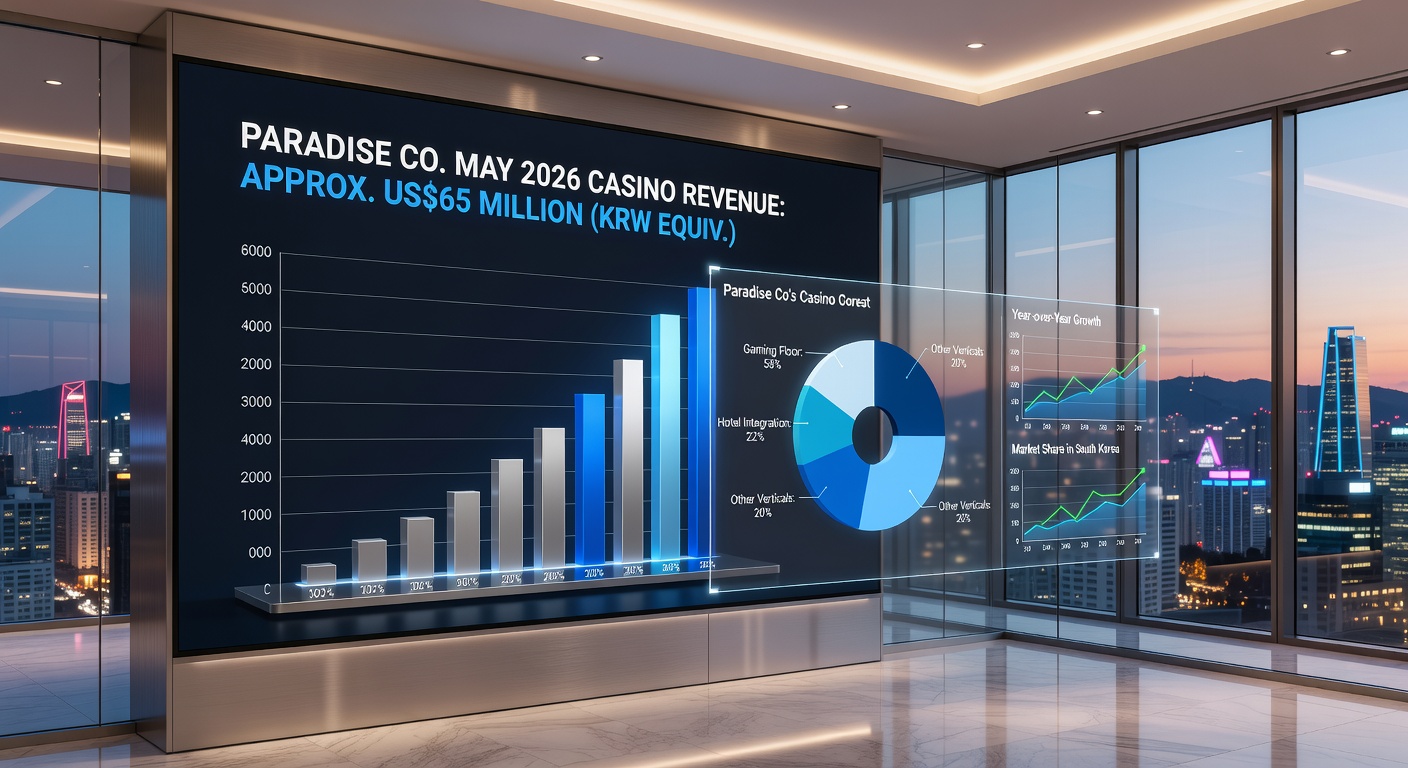
Chief Executive Sam Hou Fai Steps In Temporarily
Sam Hou Fai, Macau's Chief Executive since December 2024, assumes Ip's duties on an interim basis, a common protocol in such scenarios; his background as a judge brings legal acumen to economic oversight, particularly in gaming disputes and policy enforcement. Authorities now scramble to nominate a replacement, with Beijing's State Council holding final say—a reminder of Macau's "one country, two systems" framework where key posts require central vetting.
People who've watched these handovers observe they rarely derail operations; past transitions, like those following the 2014 crackdown on junkets, saw quick stabilizations under acting leaders. Hou Fai's plate already full with broader governance, this added role tests his bandwidth amid 2026's economic targets, which emphasize sustainable growth beyond gaming reliance.
So, while Ip exits stage left for personal matters, the machinery grinds on; casino floors buzz with activity, operators like Melco and SJM push new promotions, and Wynn Macau unveils expansions, all under the temporary stewardship.
The Replacement Process and Beijing's Role
Nominations for the Secretary for Economy and Finance follow a structured path: the Chief Executive proposes candidates, often from Macau's civil service or business elite, then forwards them to China's State Council for approval; this echoes procedures for other principal officials, ensuring alignment with national priorities. Observers expect a swift resolution, given the role's centrality to fiscal health and Beijing's interest in Macau's stability as a bridge to global finance.
It's noteworthy that Ip's late-2024 appointment itself navigated this process, filling a slot amid economic pressures; his brief tenure coincided with VIP gaming rebounds and mass-market surges, per DICJ statistics showing year-on-year gains into 2026. Now, potential successors—perhaps technocrats with finance or gaming expertise—wait in the wings, their selection poised to shape policies through the decade.
Yet, the personal reasons cited keep details sparse; official channels emphasize continuity, with Hou Fai pledging no interruptions to ongoing projects like concession optimizations or tourism campaigns.
Broader Context: Macau's Gaming Industry in April 2026
As the resignation unfolds, Macau's casinos thrive; Sands China's Cotai Strip venues pack in crowds, MGM China's spectacles draw families, and SJM Holdings honors its legacy with renovated properties. Melco Resorts innovates with tech-integrated gaming, Galaxy Entertainment expands mass-market appeal—together sustaining the $30 billion mark Ip supervised.
Data indicates robust performance: first-quarter 2026 revenue climbed 15% from prior highs, driven by eased travel from China; industry reports highlight this momentum, even as leadership shifts test adaptability. Those studying Asian gaming markets note Macau's unparalleled scale, where a single policy tweak ripples globally, from Las Vegas peers to Singapore rivals.
And with Hou Fai at the interim helm, focus sharpens on nominations; Beijing's nod could arrive within weeks, installing a fresh voice in economy and finance steering.
Looking Ahead: Stability Amid Change
Macau presses forward post-Ip, its casino empire unyielding; Sam Hou Fai's temporary command bridges the gap, while the State Council's process promises a vetted successor to guide the $30 billion sector and beyond. In April 2026's vibrant landscape, where neon skylines pulse and revenues soar, this transition underscores the region's resilient governance—rooted in local initiative, sealed by central authority. Operators like Wynn, Sands, and peers continue operations seamlessly, visitor influxes mount, and economic engines hum; the next chapter awaits Beijing's green light, ensuring Macau remains the undisputed gambling capital.