Mapping the Influence of Algorithmic Recommendations on Game Selection Habits in Online Gaming Portals
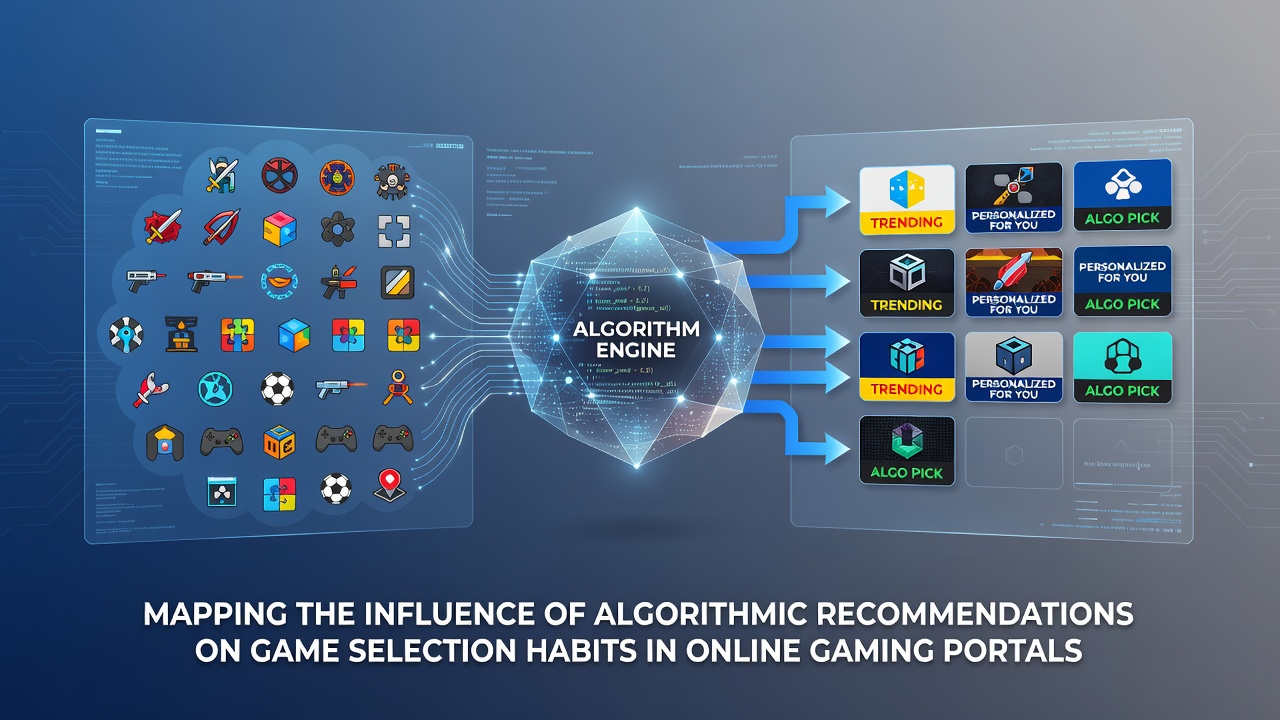
Online gaming portals rely on algorithmic systems that analyze player data to suggest specific titles, and these mechanisms shape selection patterns across millions of users each month. Data collected through session logs, click-through rates, and retention metrics feed into machine learning models that prioritize certain games over others based on predicted engagement levels. As of July 2026, industry tracking shows recommendation engines account for over 60 percent of game launches viewed on major platforms, according to aggregated portal analytics shared in sector reports.
How Recommendation Systems Operate in Gaming Environments
Algorithms process inputs such as past play duration, deposit frequency, and time-of-day activity to generate ranked lists that appear on homepages and in personalized feeds. Collaborative filtering techniques compare user profiles against large datasets, while content-based approaches match game attributes like volatility or theme to individual histories. Reinforcement learning variants adjust suggestions in real time as players interact with results, creating feedback loops that refine outputs across successive sessions. Observers note that these processes operate continuously, with updates occurring multiple times per hour during peak traffic periods.
Platforms integrate metadata from game providers including payout percentages, bonus structures, and visual styles into scoring systems that determine visibility. When a new title enters the catalog, initial testing phases expose it to limited user segments before broader rollout, allowing the system to gauge performance against established benchmarks. Researchers have documented cases where titles with similar mathematical profiles to high-performing games receive accelerated promotion within the first 48 hours of availability.
Observed Shifts in Player Selection Patterns
Studies tracking user navigation reveal that recommended games receive selection rates three to four times higher than non-promoted alternatives within the same category. Session data indicates players often explore fewer than five titles before settling on a suggestion, whereas unguided browsing leads to wider distribution across catalogs. Figures from portal operators show that algorithmic prompts correlate with increased concentration on a smaller subset of games, particularly those featuring progressive mechanics or live elements.
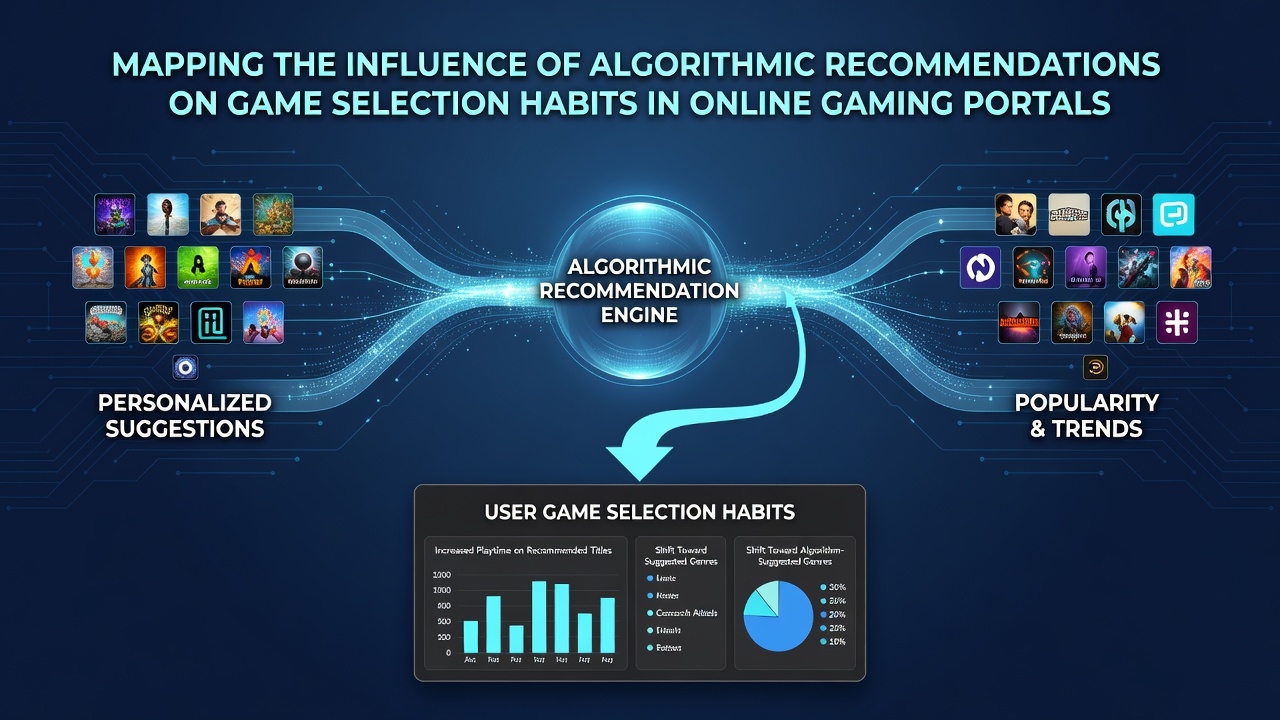
Regional datasets highlight variations, with North American portals demonstrating stronger responses to time-sensitive offers embedded in recommendations, while European markets exhibit steadier engagement with theme-matched suggestions. Australian regulatory filings from mid-2026 report similar concentration effects, where top-ten recommended slots captured 45 percent of total spins across monitored sites. These patterns emerge consistently across desktop and mobile interfaces, although mobile sessions display shorter decision windows before a selection occurs.
Data Sources and Measurement Approaches
Independent audits conducted by research institutions compile anonymized logs to quantify recommendation impact, measuring metrics such as discovery time, repeat play rates, and cross-category exploration. A report issued by the American Gaming Association examined 2025-2026 platform records and found that algorithmic curation reduced average catalog browsing duration by 35 percent compared to earlier static listings. Parallel analysis from academic teams at institutions tracking digital entertainment consumption supports these observations through longitudinal user panels.
Additional measurements track downstream effects including deposit volume tied to recommended titles and churn rates following exposure to specific suggestion sequences. Portals in regulated markets submit summary statistics to oversight bodies, enabling cross-jurisdictional comparisons that reveal consistent directional trends despite differing compliance frameworks. What's notable is the alignment between proprietary portal data and external academic samples collected through voluntary participant studies.
Integration with Platform Design and Updates
Portal interfaces embed recommendation carousels at multiple touchpoints, including post-login screens, search result pages, and end-of-session summaries. Design adjustments in 2026 incorporated A/B testing frameworks that rotate suggestion formats to maintain responsiveness without user fatigue. Game developers adjust release schedules to align with algorithmic cycles, submitting metadata optimizations that improve initial scoring potential during onboarding phases.
Technical infrastructure supporting these systems includes distributed computing clusters that handle real-time inference across global user bases. Updates to underlying models incorporate new variables such as device type and network conditions, further tailoring outputs to contextual factors. Those monitoring industry developments observe that smaller portals often license recommendation modules from specialized vendors rather than building custom solutions, resulting in shared algorithmic traits across otherwise distinct platforms.
Conclusion
Algorithmic recommendations continue to define primary pathways through expanding game libraries in online gaming portals, with measurable effects on selection frequency and diversity documented through multiple data channels. Ongoing refinements in model architecture and data integration suggest these influences will persist as catalogs grow and user bases diversify. Tracking mechanisms employed by operators and external analysts provide ongoing visibility into how suggestion systems interact with player decision processes across different markets and device types.