Regulatory Gatekeepers: Examining the Bodies That Certify and Oversee Digital Casino Operations
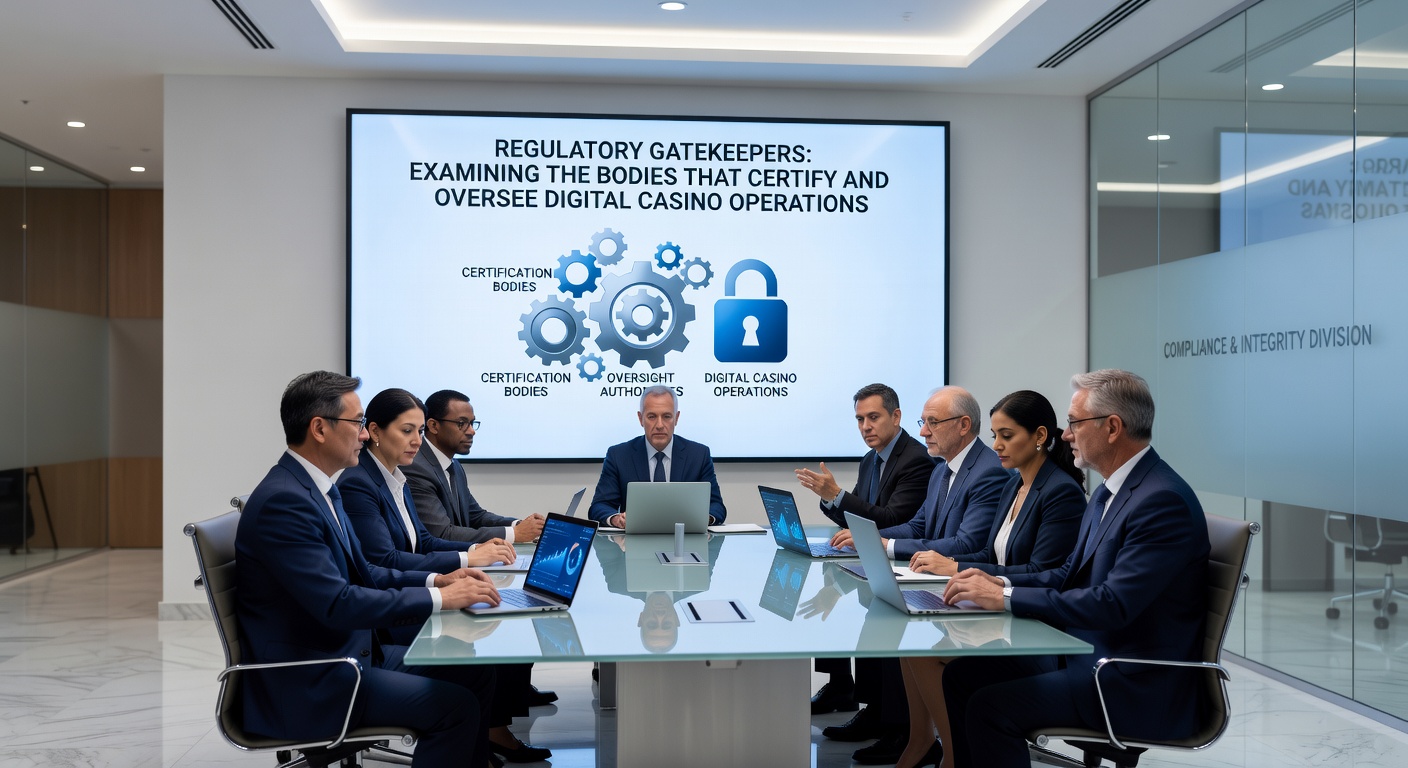
Regulatory gatekeepers maintain the structure that allows digital casino operations to function with accountability, and these organizations issue licenses while enforcing standards that cover everything from financial reporting to player protection measures. Governments establish such bodies to create consistent rules across borders, yet each jurisdiction applies its own criteria based on local laws and international agreements that have evolved since the early days of online gaming platforms.
Certification processes require operators to demonstrate compliance through independent audits that verify random number generators, payout percentages, and data security protocols, and these steps often involve multiple rounds of testing before a license receives approval. Bodies coordinate with testing laboratories to confirm that games meet technical specifications, which helps prevent manipulation and builds a record that regulators can reference during ongoing supervision.
Regional Licensing Authorities and Their Roles
North American regulators handle licensing at the state or provincial level, and the New Jersey Division of Gaming Enforcement reviews applications from operators seeking to offer real-money games within its borders while requiring detailed business plans and background checks on key personnel. Similar structures appear in Pennsylvania and Michigan, where oversight includes regular financial audits and restrictions on advertising that target vulnerable populations.
Canadian frameworks feature the Kahnawake Gaming Commission, which issues licenses to platforms operating from its territory and maintains agreements with international partners to share information on suspicious activities. This body focuses on ensuring that operators adhere to anti-money laundering rules and provide clear dispute resolution channels for players located outside Canada.
Australian authorities coordinate through state-based commissions, such as those in New South Wales and Victoria, that require digital operators to obtain separate approvals for each jurisdiction even when national guidelines exist. These commissions track player behavior data to enforce responsible gaming limits and impose penalties when operators fail to meet reporting deadlines on revenue and user activity.
European examples include the Malta Gaming Authority, which has licensed hundreds of operators since its establishment and works with EU directives to standardize consumer protections across member states. The authority conducts site inspections and reviews marketing materials to confirm that promotions do not mislead users about winning probabilities or bonus terms.
Certification Standards and Technical Requirements
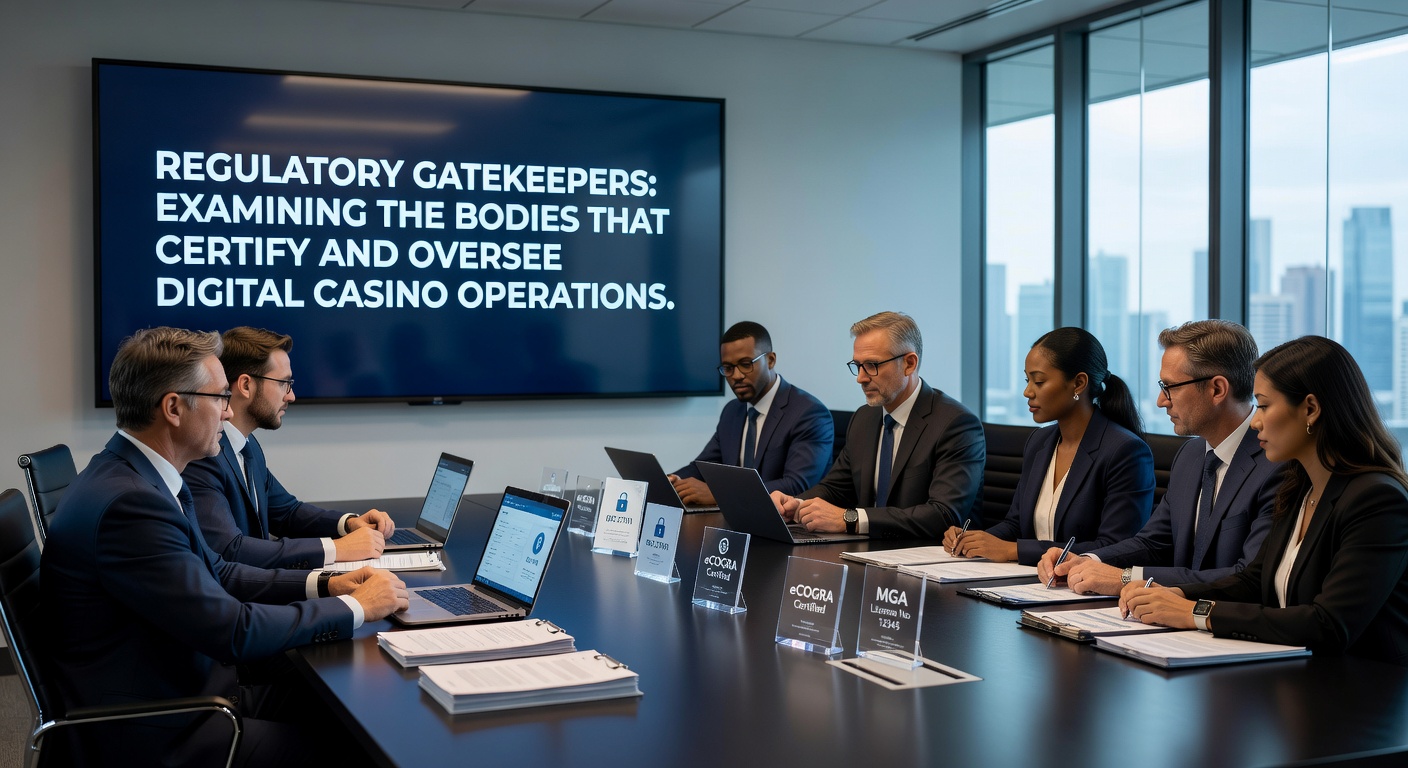
Operators must submit software for evaluation by approved testing agencies before receiving certification, and this process examines source code, game mechanics, and integration with payment systems to ensure fairness and reliability. Regulators then review the resulting reports and may request additional modifications if any component falls short of required thresholds.
Security standards cover encryption for financial transactions and storage of personal data, and bodies often reference frameworks developed by international organizations that specialize in cybersecurity for financial services. Annual renewals require fresh audits, which means operators cannot treat initial approval as a permanent pass but must maintain compliance through continuous monitoring.
Supervision Mechanisms and Enforcement Actions
Ongoing supervision includes real-time monitoring of game outcomes and player complaints, and regulators maintain databases that flag unusual patterns such as sudden spikes in large withdrawals or repeated disputes over game results. When violations occur, authorities can impose fines, suspend licenses, or require operators to implement corrective measures within specified timeframes.
Information sharing agreements between regulators in different regions allow faster responses to cross-border issues, and examples include coordinated actions against unlicensed platforms that target players in multiple countries. Such cooperation has increased since 2020 as more jurisdictions recognize the need for unified approaches to emerging risks like cryptocurrency transactions.
Observers note that in May 2026 several bodies plan to introduce updated guidelines on artificial intelligence used in game development and customer support systems, and these changes aim to address transparency concerns around algorithmic decision-making that affects bonus eligibility or risk assessments. Industry reports indicate that operators have already begun preparing documentation to meet the new expectations ahead of implementation dates.
Challenges in Harmonizing Global Standards
Differences in legal definitions of gambling create friction when operators attempt to expand across borders, and what counts as a permitted activity in one jurisdiction may face restrictions elsewhere. Regulators address this through mutual recognition agreements that allow licenses from one authority to satisfy parts of the application process in another, yet full harmonization remains limited by sovereignty concerns.
Data from industry analyses shows that compliance costs represent a significant portion of operational budgets for smaller platforms, and this reality influences which markets operators choose to enter. Larger companies often maintain dedicated compliance teams that track regulatory changes across dozens of jurisdictions simultaneously.
Conclusion
Regulatory gatekeepers continue to shape digital casino operations through licensing, certification, and supervision that adapt to technological advances and shifting player behaviors. Bodies in North America, Europe, Australia, and Canada each contribute distinct approaches while participating in broader networks that promote information exchange and consistent enforcement. As updates scheduled for May 2026 demonstrate, these organizations maintain active roles in refining standards to address new developments in game design and financial technology.