Tracing player loyalty migrations across interconnected virtual gambling networks and their influence on personalized reward ecosystems
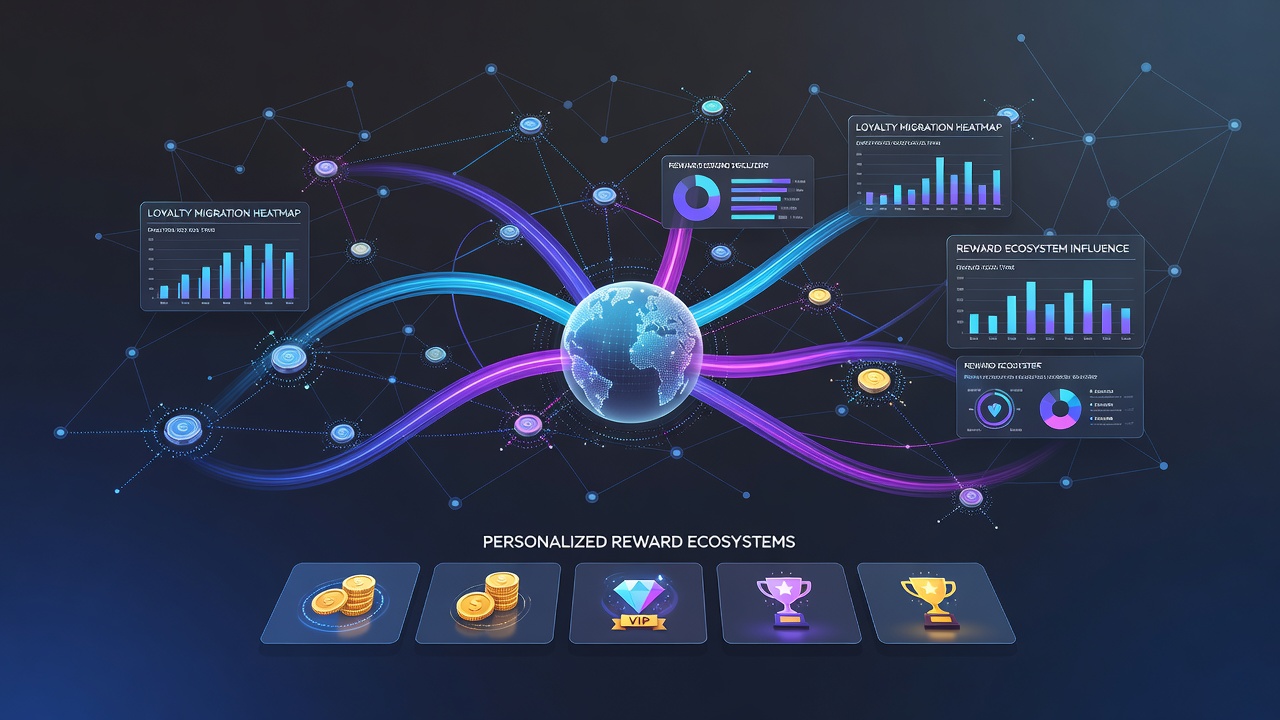
Player activity across digital gambling platforms reveals patterns of migration that connect separate networks through shared loyalty mechanisms, and these movements shape how reward systems allocate bonuses and incentives based on individual behavior histories. Data collected in early 2026 shows players transferring between multiple operators within months, carrying preferences and engagement metrics that influence subsequent offers.
Mapping migration patterns in virtual environments
Tracking tools monitor account activity across platforms where users create profiles, and operators exchange anonymized data through partnerships to identify when a player reduces activity on one site while increasing it on another. Researchers at institutions studying digital entertainment markets have documented these shifts, noting that players often respond to changes in game libraries or payout structures by moving to alternatives that maintain similar reward tiers.
June 2026 figures from platform analytics indicate a 12 percent rise in cross-network transfers compared with the previous year, driven by updates to mobile interfaces and expanded live dealer options that pull users toward operators offering seamless transitions. Those who study these flows point out that loyalty points accumulated in one ecosystem sometimes convert partially when users sign up elsewhere, creating bridges between otherwise independent systems.
Interconnected networks and data exchange mechanisms
Virtual gambling networks operate through agreements that allow limited sharing of player identifiers while complying with regional privacy rules, and this setup enables reward ecosystems to recognize returning users even after they switch primary platforms. Industry reports highlight how aggregated datasets help operators predict which incentives will retain users who show signs of migrating, such as declining session lengths or reduced deposit frequency.
One analysis of transaction logs revealed that players who engage with multiple networks within a single quarter receive tailored promotions that reference past activity on other sites, effectively personalizing offers without direct account linkage. Observers note that such interconnections rely on third-party verification services that standardize data formats across jurisdictions, reducing friction when users move between regions with differing regulations.
Influence on personalized reward allocation
Reward ecosystems adjust bonus structures and loyalty tiers according to migration data, where algorithms calculate the lifetime value of a player based on history across connected platforms rather than isolated sessions. This approach allows operators to offer escalating benefits to users who demonstrate consistent engagement patterns, even as they sample different environments.
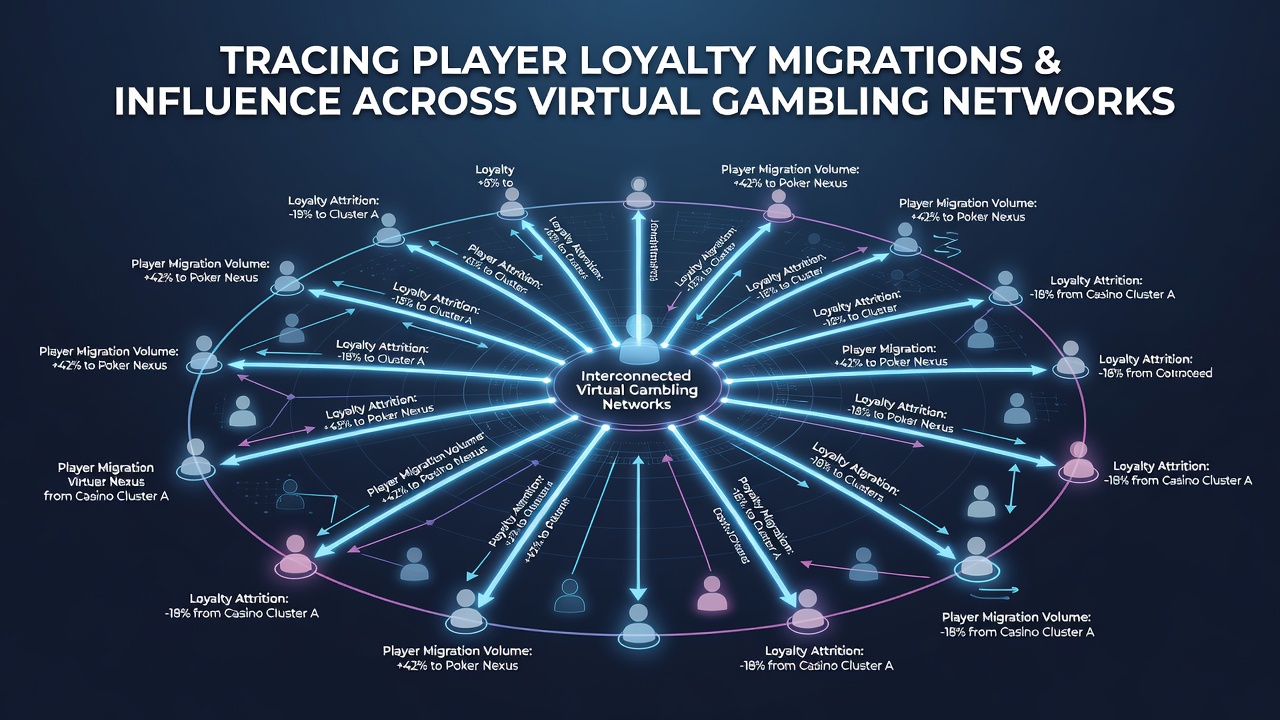
Studies from academic groups examining behavioral economics in gaming contexts show that personalized rewards tied to cross-platform activity increase retention rates by aligning incentives with demonstrated preferences, such as specific game types or deposit rhythms. Figures from regulatory filings in multiple markets reveal that operators using these models allocate a higher percentage of promotional budgets to users with multi-network histories because conversion rates tend to exceed those for single-platform participants.
Regional variations and compliance considerations
Different regulatory environments affect how loyalty data travels between networks, with some jurisdictions requiring explicit consent for cross-operator sharing while others permit broader aggregation under anonymized conditions. Operators in North American markets, for instance, navigate stricter data portability rules compared with certain Asian frameworks, leading to varied reward personalization depths depending on player location.
According to iGaming Ontario reports, compliance audits in 2026 confirmed that interconnected systems maintain separation protocols that prevent unauthorized data exposure during migrations. Similar oversight appears in Australian markets through bodies monitoring digital wagering, where transaction success rates correlate with reward system stability across partnered platforms.
Case examples from network operations
Operators have implemented unified loyalty ledgers that track activity without merging full accounts, and one documented instance involved a European network where players moving between slots-focused and table-game platforms received adjusted free-spin allocations based on prior engagement metrics. These adjustments reflect calculations that weigh total activity volume rather than isolated site performance.
Additional cases from North American partnerships demonstrate how reward ecosystems respond to seasonal migration spikes, such as increased transfers during major sporting events when users seek varied betting options. Data from these periods shows elevated personalization accuracy when networks share velocity metrics like average bet size and session duration.
Conclusion
Tracing loyalty migrations across virtual gambling networks demonstrates measurable effects on how reward ecosystems distribute incentives, with data integration enabling more precise personalization while adhering to regional oversight standards. Continued monitoring through 2026 and beyond will clarify the extent to which these interconnections evolve alongside technological and regulatory shifts in digital wagering environments.